Literature
Practical Reference Books on Neuro-Training, Pain Understanding, and the Nervous System
- Home
- Literature
Neuro-Training & Pain Understanding in Book Form
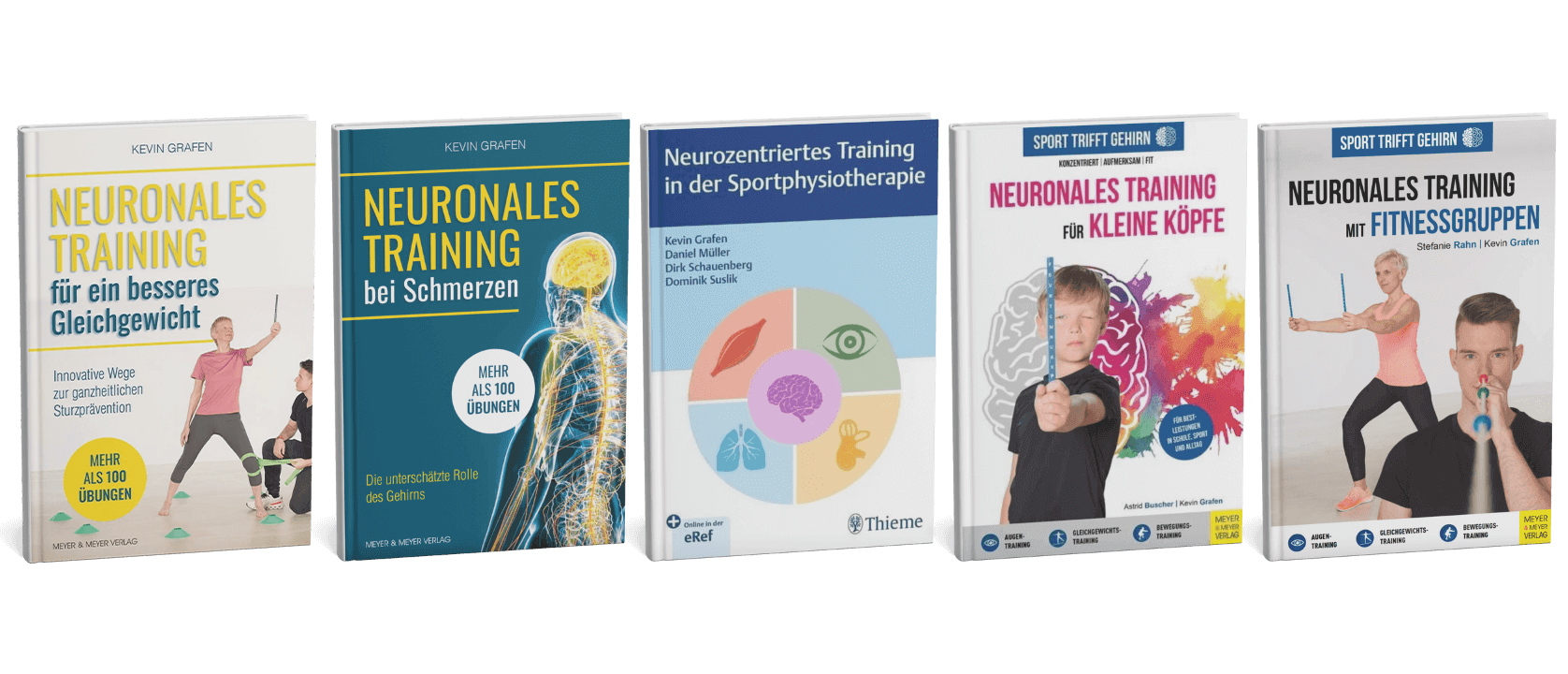
My Books on Neuro-Training, Pain & the Nervous System
Practical knowledge, clearly explained & directly applicable.
On this page you’ll find my books on neuro-training, pain, and the nervous system. I write in a way that’s easy to understand and scientifically grounded, so you can easily follow the background on pain processing, movement, body awareness, and health. In my books, you’ll get practical exercises, methods, and instructions you can apply directly in everyday life, training, or therapy. My goal is to make neurocentric knowledge accessible in a compact, practice-oriented way.
Innovative Approaches to Holistic Fall Prevention
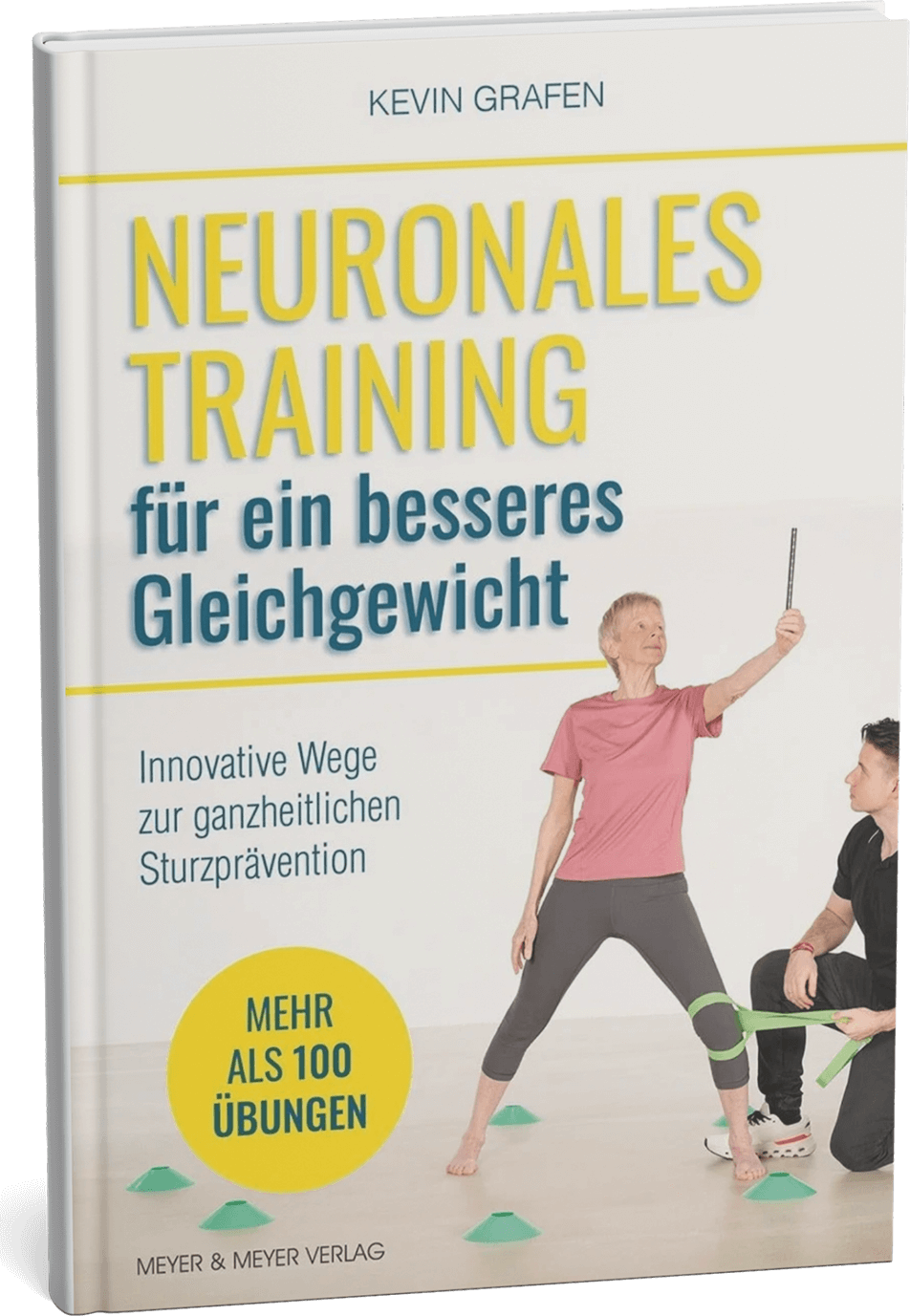
Neural Training for Better Balance
Are you still training balance only on wobbly surfaces or with single-leg stances? Then you probably only know a small part of what truly lies behind stable balance. Balance is the result of a finely tuned interplay between the eyes, inner ear, proprioception, and the brain’s ability to process all this information precisely and quickly. When this flow of information falters, everyday life becomes less certain, movements become imprecise, and the risk of falling increases. That’s exactly where this book comes in.
In Neural Training for Better Balance: Innovative Approaches to Fall Prevention, I show how modern neuroscience and practical training methods come together to improve balance on a much deeper level. Instead of simply strengthening muscles or demanding “more stability,” you’ll learn how to specifically stimulate the nervous system so your body receives reliable, clear information again. The result is often striking: better spatial orientation, faster reaction ability, and a noticeably more secure sense of movement.
All content is practice-oriented, easy to understand, and directly applicable. The book is aimed at therapists, trainers and coaches, as well as anyone who doesn’t want to leave their balance to chance. The exercises presented work in the studio, in therapy, and at home. They show just how versatile and creative balance training can be when the nervous system is taken as the starting point.
Falls don’t happen out of nowhere. The nervous system gives warning signs beforehand. This book shows how to listen for them — and how to intervene effectively before things get serious.
The Underestimated Role of the Brain
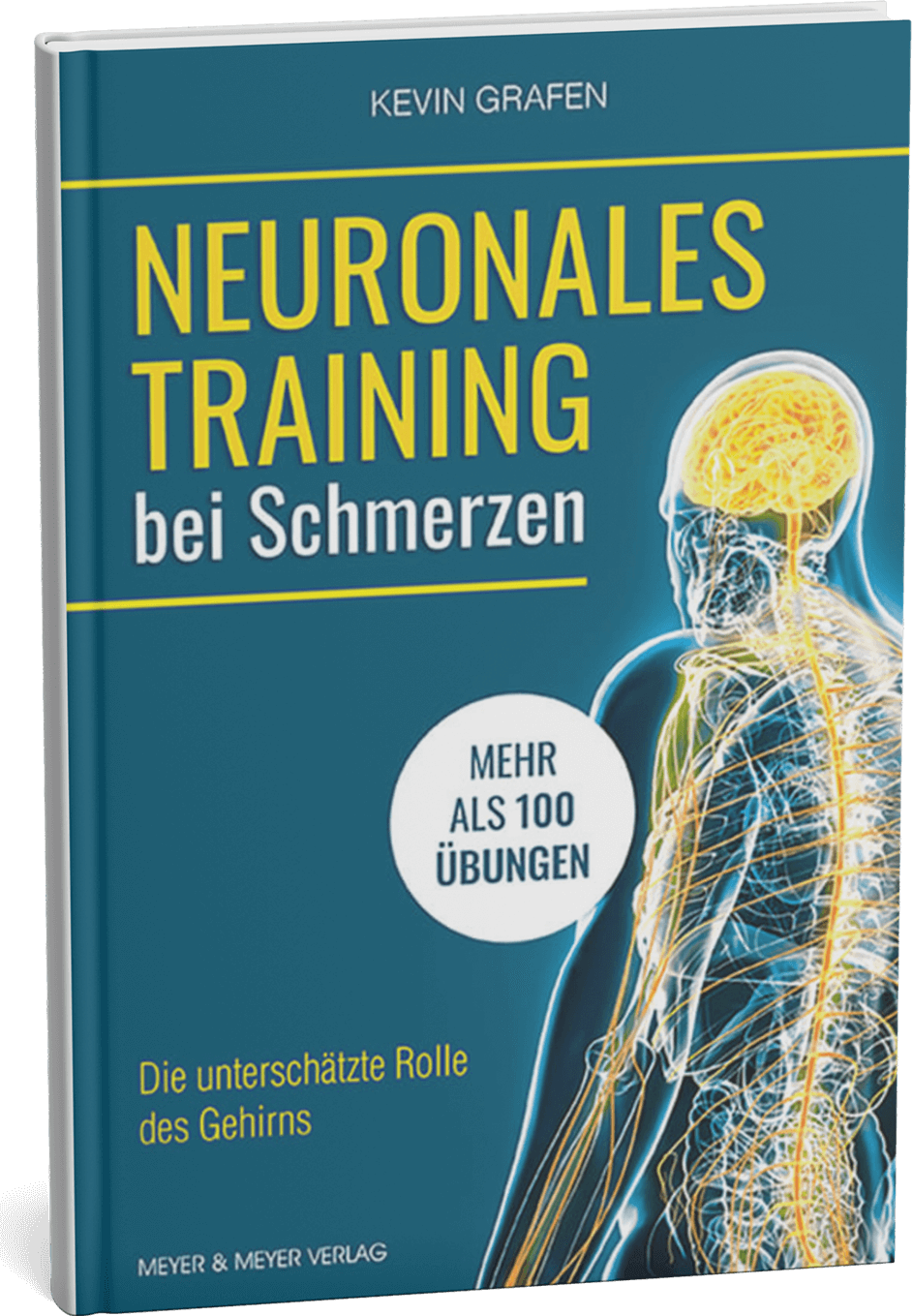
Neural Training for Pain
Do you suffer from chronic pain, like 17% of people in Germany, and feel like you’ve exhausted all treatment options? A shift in perspective on how we understand pain can open up new approaches.
In my book “Rethinking Pain,” I explain that until recently, pain was viewed simply as a direct sign of tissue damage. This, however, is misleading. Various brain regions and the nervous system also play a central role in the development and regulation of pain.
This important insight is the starting point for new forms of therapy, such as neurocentric training. This approach is presented in a practical way through numerous exercises for external, internal, and body awareness.
In addition, I offer tips on how to put together an individual training program and integrate it into everyday life.
The #1 Reference Book on Neurocentric Training
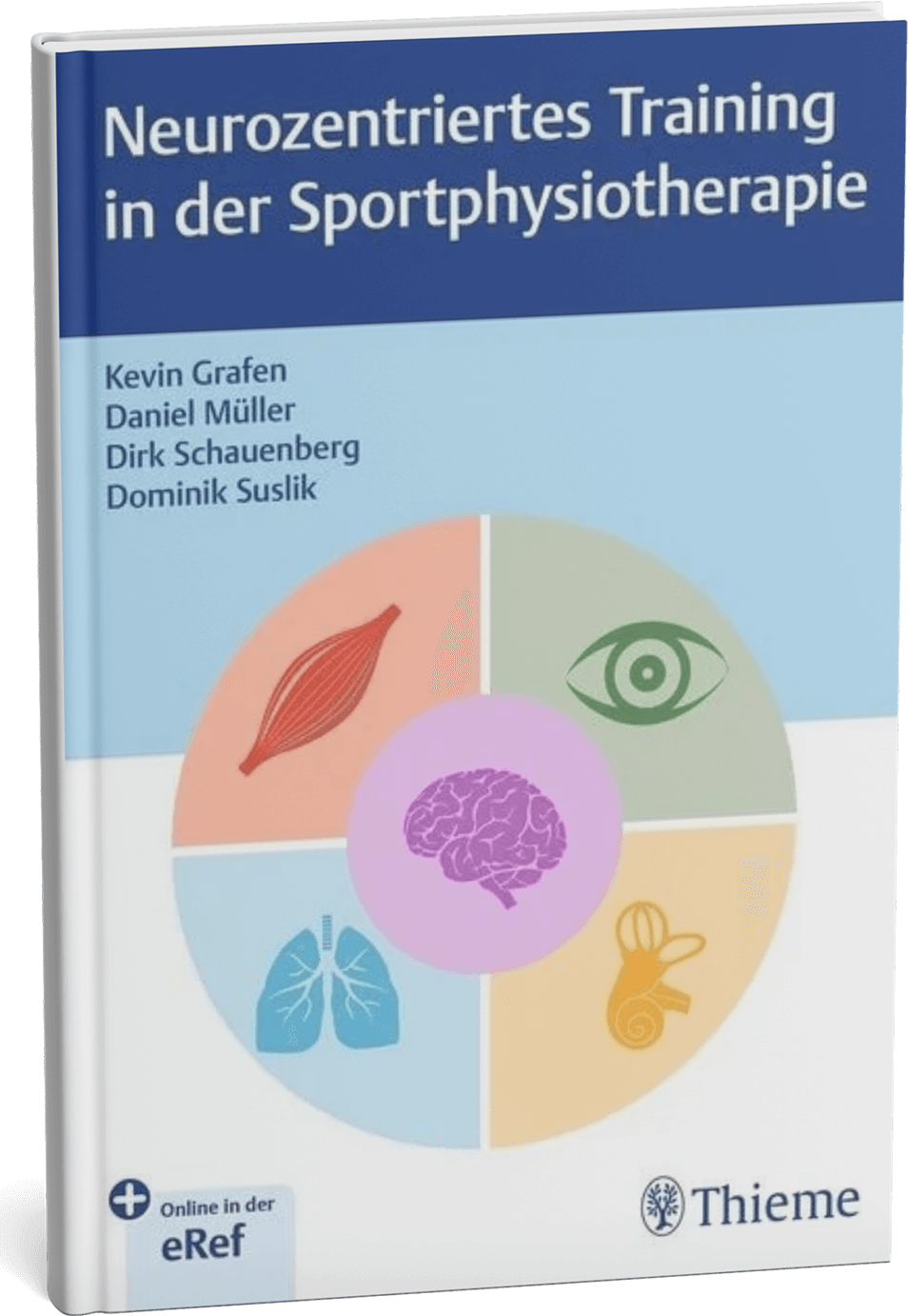
Neurocentric Training in Sports Physiotherapy
Many physiotherapeutic approaches focus on treating specific musculoskeletal structures of the body. This book, by contrast, focuses on the nervous system: it shows the central role it plays in physical, cognitive, and psychological processes, and makes clear why it’s essential to consciously integrate this system into therapy.
Based on sound scientific findings from neurology and neuroanatomy, as well as practical applications, the book guides readers through the fundamental functions of the nervous system and provides valuable insight into the modulation of intensities and training measures.
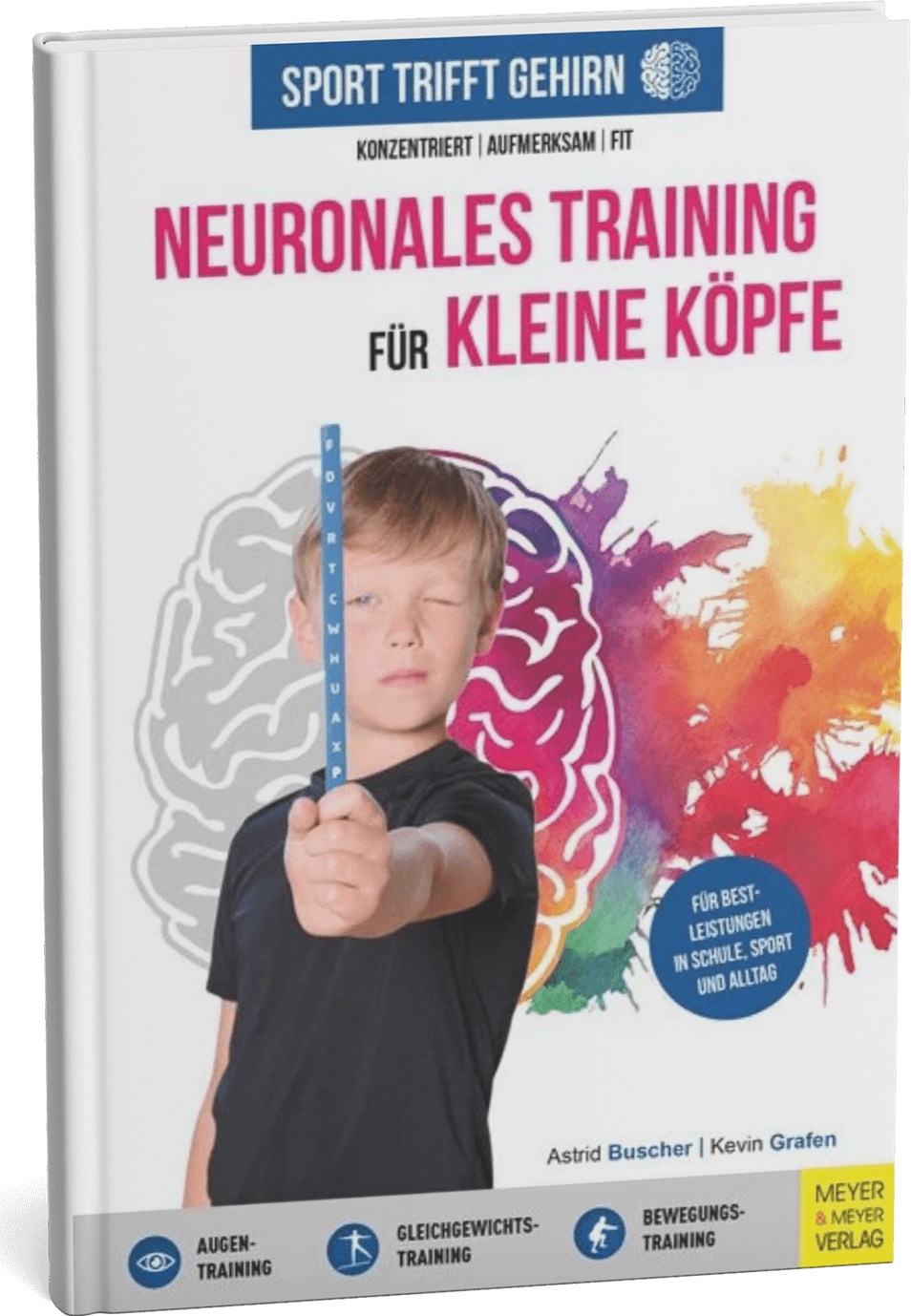
Focused | Attentive | Fit
Neural Training for Little Minds
Unlike many animal species, humans are born with all the necessary structures already present in the brain — but their functionality, in terms of thinking, seeing, hearing, and moving, is still fairly primitive.
A baby is born with an enormous potential of synapses and nerve cells. However, these only develop their full functional capacity once they become connected to other nerve cells. This happens through diverse sensory experiences and repeated physical activity. Early and prolonged lack of movement affects not only the motor level, but also shapes behavior, cognitive development, and therefore overall health.
This book is aimed at educators and children’s activity instructors, as well as interested parents and grandparents.
Sport Meets Brain
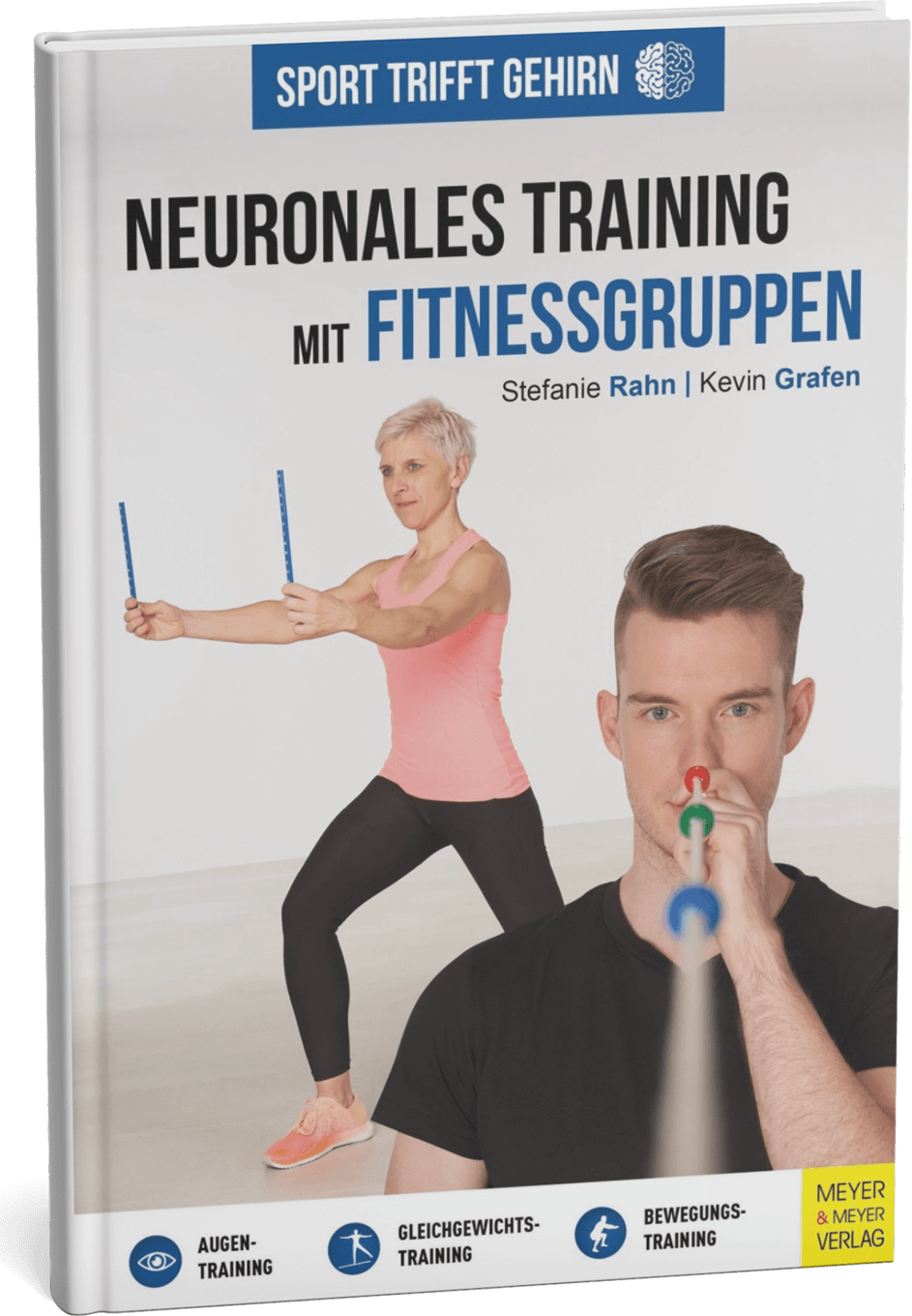
Neural Training with Fitness Groups
The nervous system controls the muscles, thoughts, emotions, and all vital functions such as breathing, heart rate, and blood pressure.
To assess a situation and make a decision, the brain relies on information it receives through all our senses. If the sensory organs or the processing of this information don’t work properly, the result can be muscle tension, restricted movement, or pain. Neural Training with Fitness Groups looks at training measures through a neurological lens.
Visual, vestibular, and proprioceptive influences on training therefore play the central role in this book.
Trainers are given a wide range of effective eye, balance, and movement exercises that can be seamlessly implemented in a fitness-group setting.
Literature
Reviews
Questions & Answers
Frequently Asked Questions
Kevin Grafen is the author of several reference books in the field of neurocentric training and applied neurology. These include Neuronales Training mit Fitnessgruppen [Neural Training with Fitness Groups] (with Stefani Rahn) and Neuronales Training für kleine Köpfe [Neural Training for Little Minds] (with Astrid Büscher).
The reference book Neurozentriertes Training in der Sportphysiotherapie [Neurocentric Training in Sports Physiotherapy] was co-authored with Daniel Müller, Dominik Suslik, and Dirk Schauenberg and published by Thieme Verlag. He is also the sole author of Neuronales Training bei Schmerzen [Neural Training for Pain] and Neuronales Training für ein besseres Gleichgewicht [Neural Training for Better Balance].
The books provide practical strategies for integrating neurocentric approaches into training and therapy, and are available through specialist retailers.
All the books convey fundamental connections and practical approaches, each with a different thematic focus. Neurozentriertes Training in der Sportphysiotherapie is the most technically and neurophysiologically in-depth, and is best suited for readers who want a deeper dive into the scientific background.
Which book is best for getting started therefore depends on your own field of work. Neuronales Training mit Fitnessgruppen offers a practical entry point for training and group fitness settings, Neuronales Training für kleine Köpfe is aimed at professionals working with children, and Neuronales Training bei Schmerzen is for anyone supporting people with pain. Neuronales Training für ein besseres Gleichgewicht is especially suited to the areas of stability, balance, and fall prevention. This makes it possible to choose a suitable, practice-oriented starting point depending on your context.
All the books also offer valuable insights for experienced professionals, as each title has its own thematic focus and opens up new perspectives for practical work. Depending on your field, concrete strategies can be drawn from them that meaningfully expand your existing toolkit.
If the focus is more on a deeper understanding of neurophysiological connections, Neurozentriertes Training in der Sportphysiotherapie is especially recommended. The book explores the scientific background in greater detail, making it easier to understand mechanisms and classify concepts with more depth.
It's therefore particularly well suited for professionals who want to expand their theoretical foundation and further develop their practical work.