Speaker, Instructor and Author
Kevin Grafen
Expert in neuroathletics and neurocentric continuing education. Keynotes, talks, and in-house training for practices and healthcare providers.

Everything at a Glance
Services
In-House Training
Hands-on training with neurocentric tools for lasting results in everyday professional practice.
Neuro-Dimension Program
Neurocentric training for rehabilitation, performance, and lasting health.
Literature
Explore your nervous system: literature on pain, movement, and holistic body awareness.
Why Kevin?
A Perspective That Goes Beyond Structures
Many therapeutic and training-science approaches focus on individual structures such as muscles, ligaments, or fascia.
I complement this view with the nervous system: the central control organ that connects, integrates, and coordinates all other systems.
This reveals why mobility, pain, strength, and performance are never isolated phenomena, but rather the result of a complex, neurofunctional interplay. That is precisely where new solutions emerge — solutions that take effect quickly and last long-term.
The Nervous System
The Overlooked Potential
Whether it’s about movement, pain, focus, or stress regulation, the nervous system plays a central, yet usually overlooked, role.
I show teams, practice owners, and companies how neurocentric approaches lead to better performance, fewer complaints, and greater well-being.
Fast, sustainable, and directly noticeable.
Applied Neurology for Everyone
Keynotes & Talks
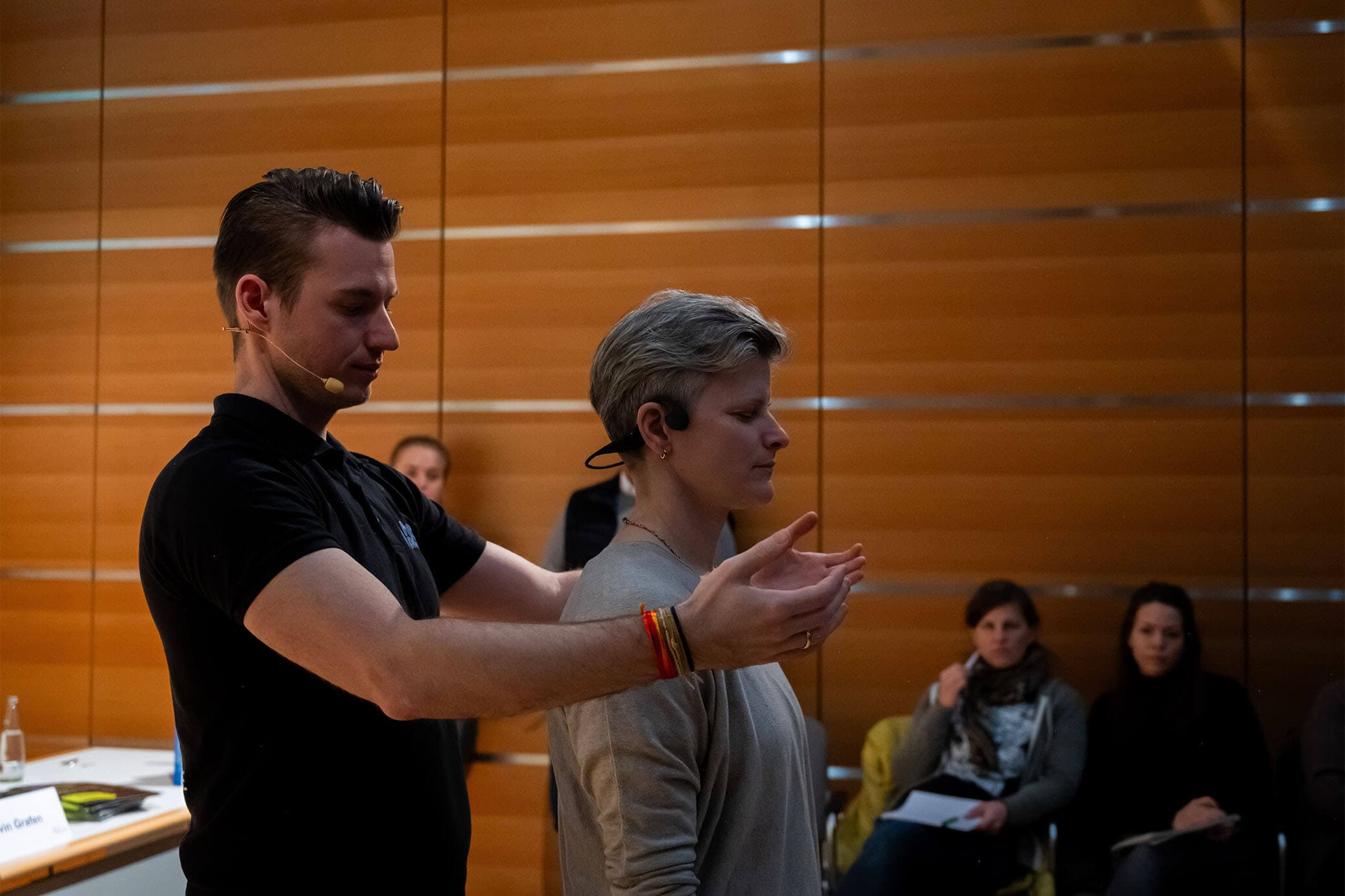
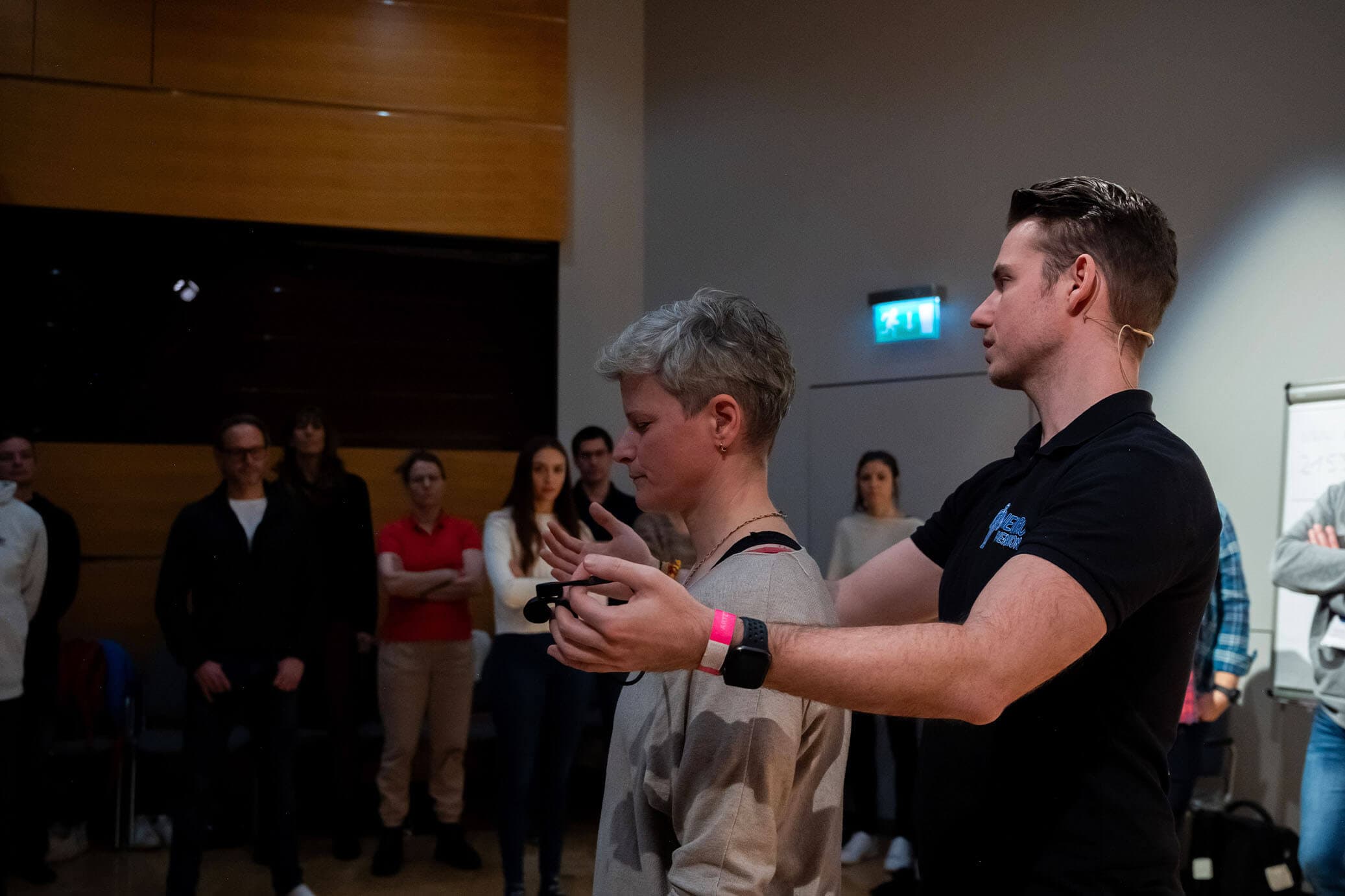
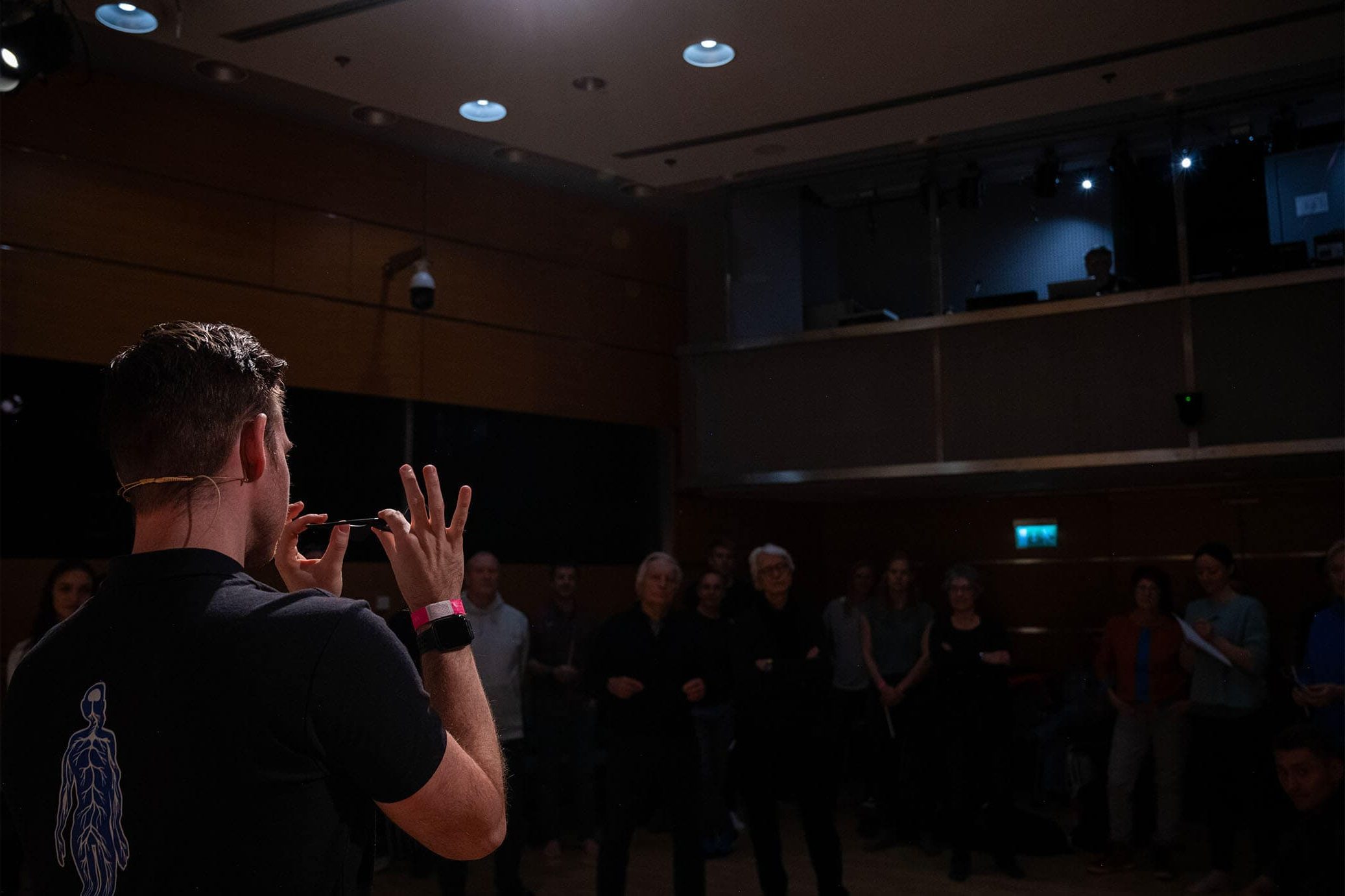
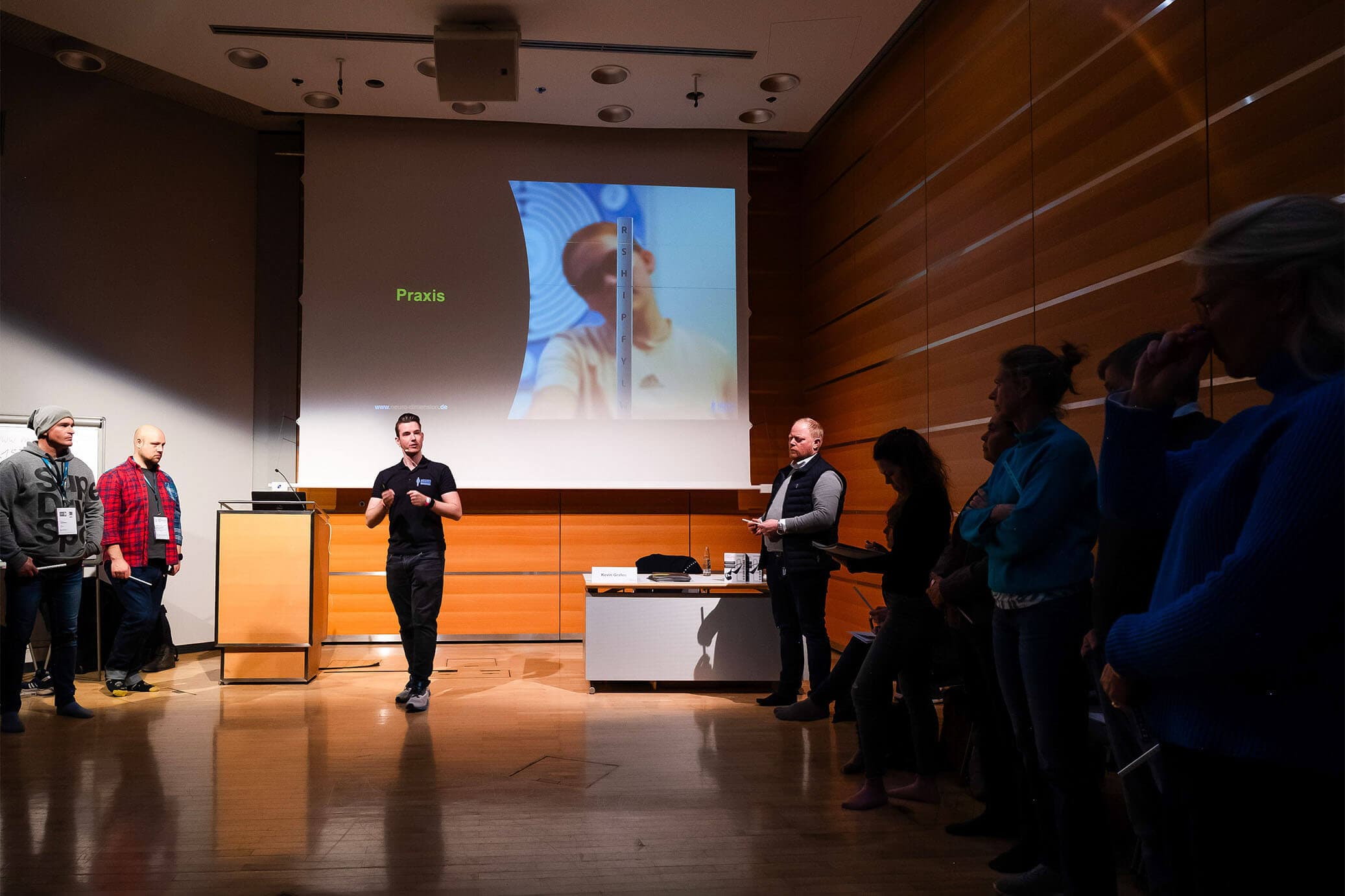
With my keynotes, I want to show how the brain influences movement, pain, athleticism, well-being, and stress: understandable, relevant to everyday life, and inspiring.
Perfect for trade fairs, congresses, corporate events, and health events.
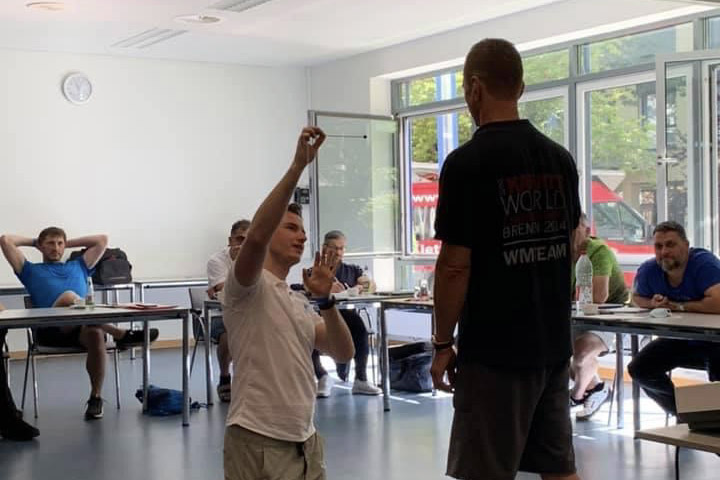
Already on stage at: FIBO, TheraPro, Therapie, and other industry events.
The Competitive Edge for Practices
In-House Training: Neuroathletics
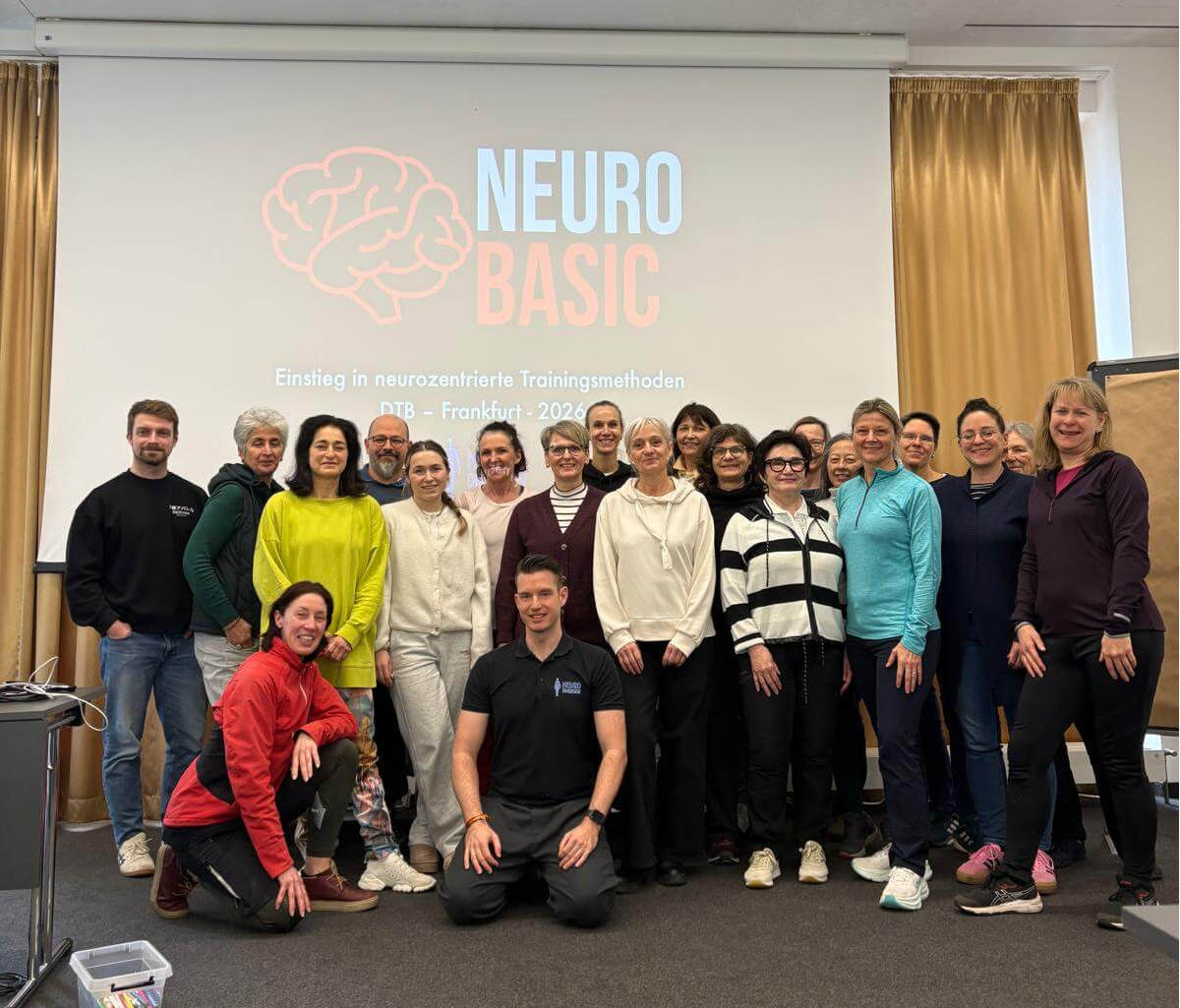
Through a different perspective, neurocentric applications can sustainably transform treatment, diagnostics, and movement.
The in-house training gives practices exactly the knowledge that sets them apart professionally and creates a clear unique selling point.
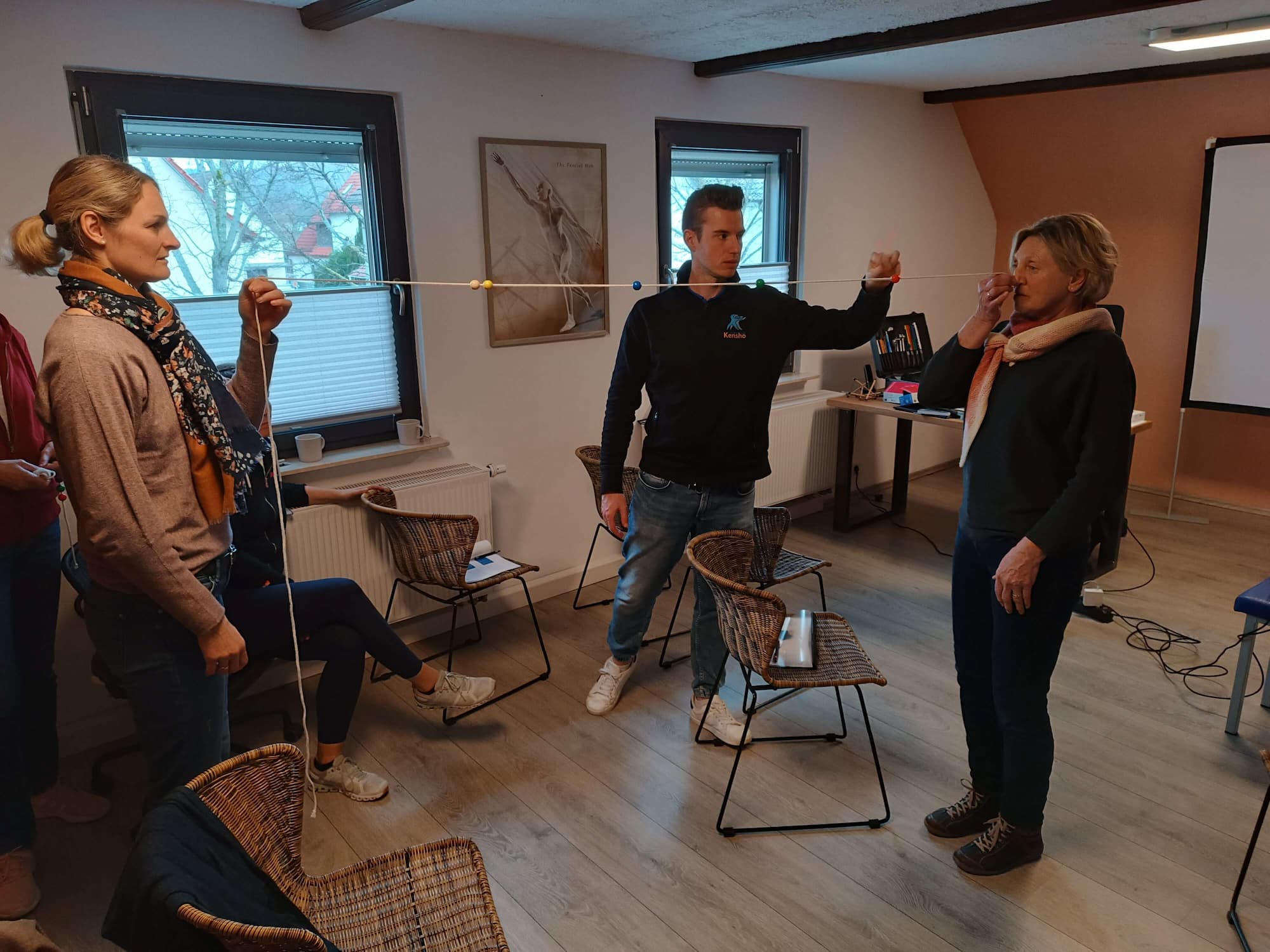
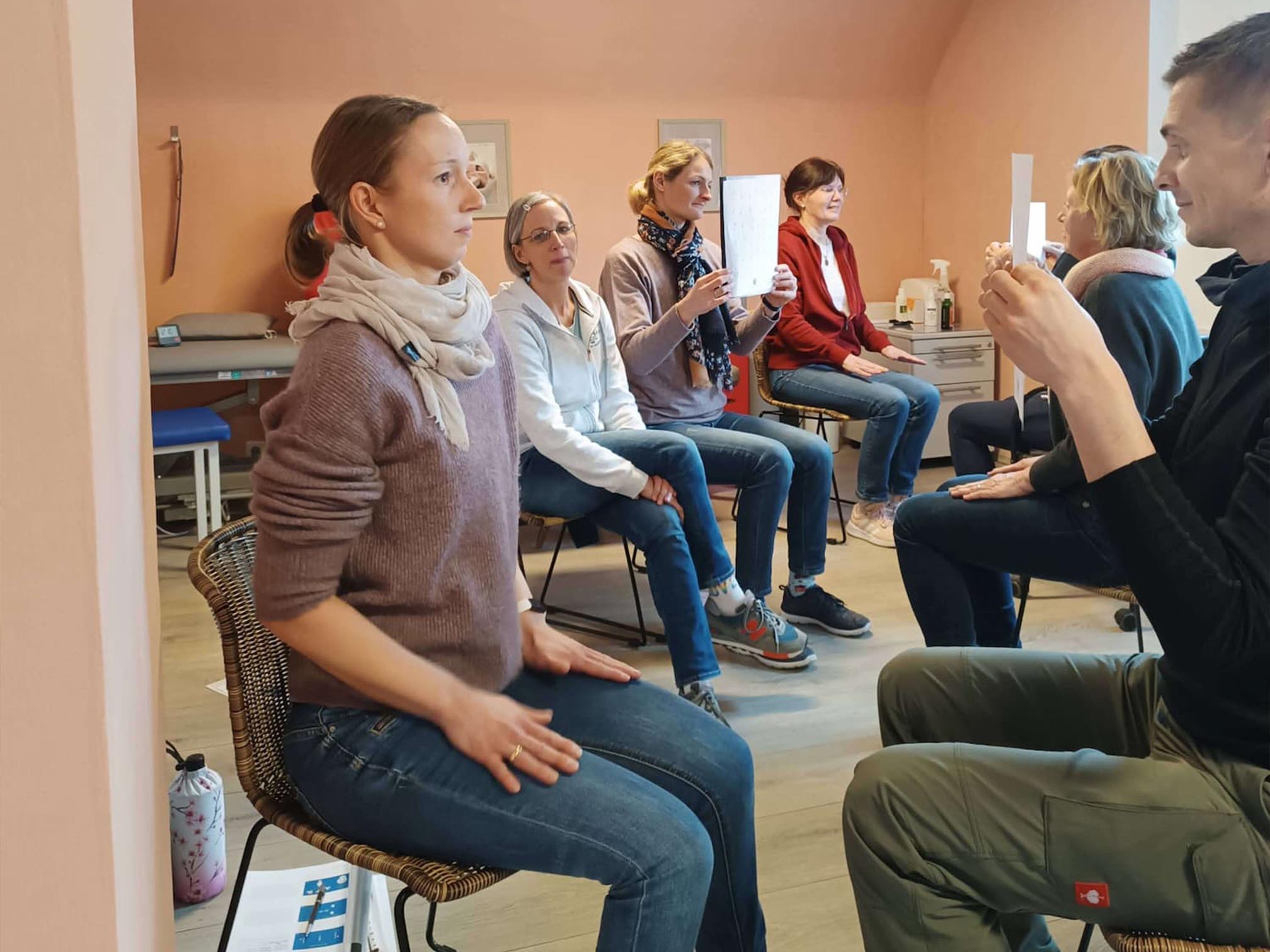
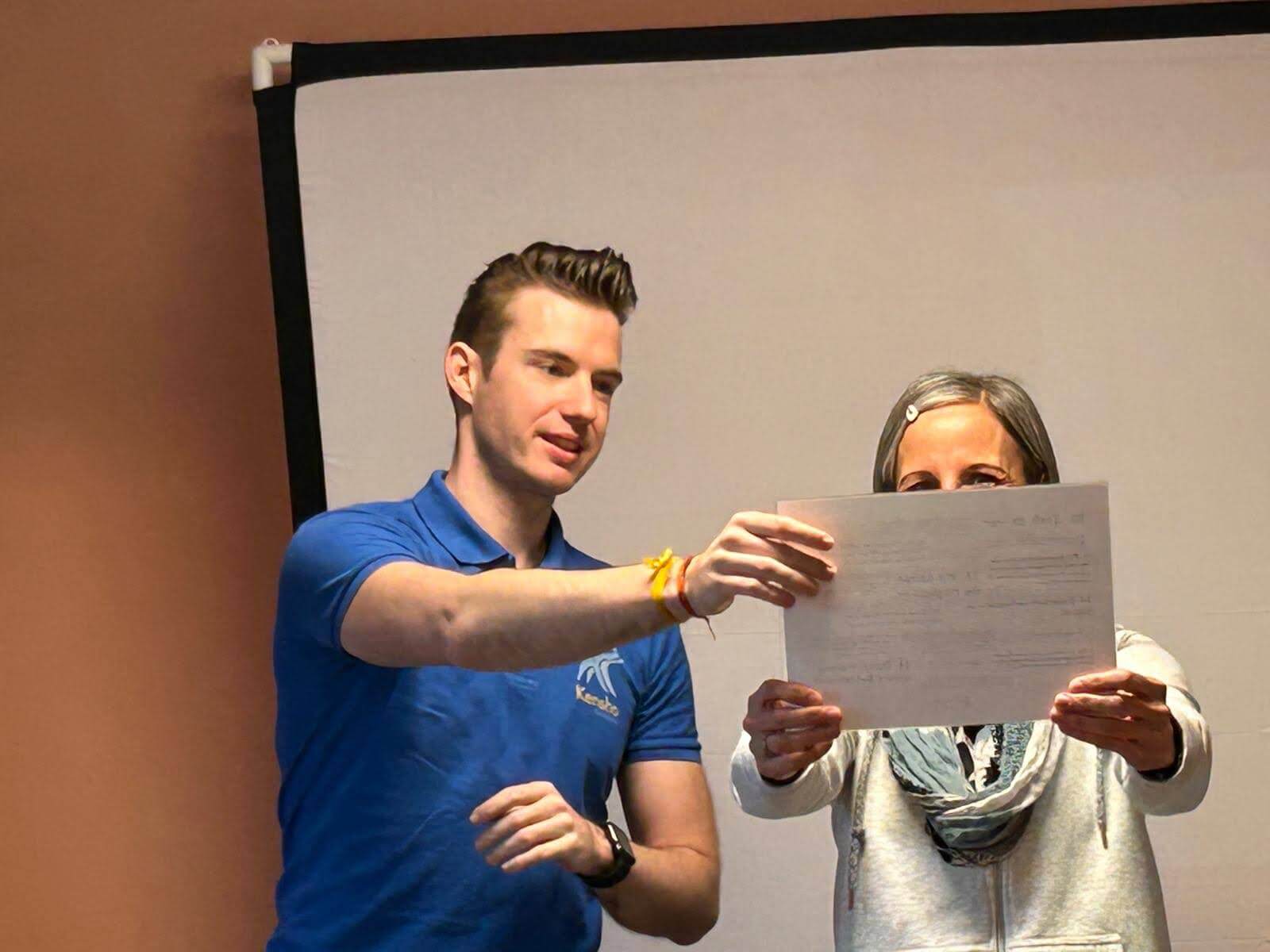
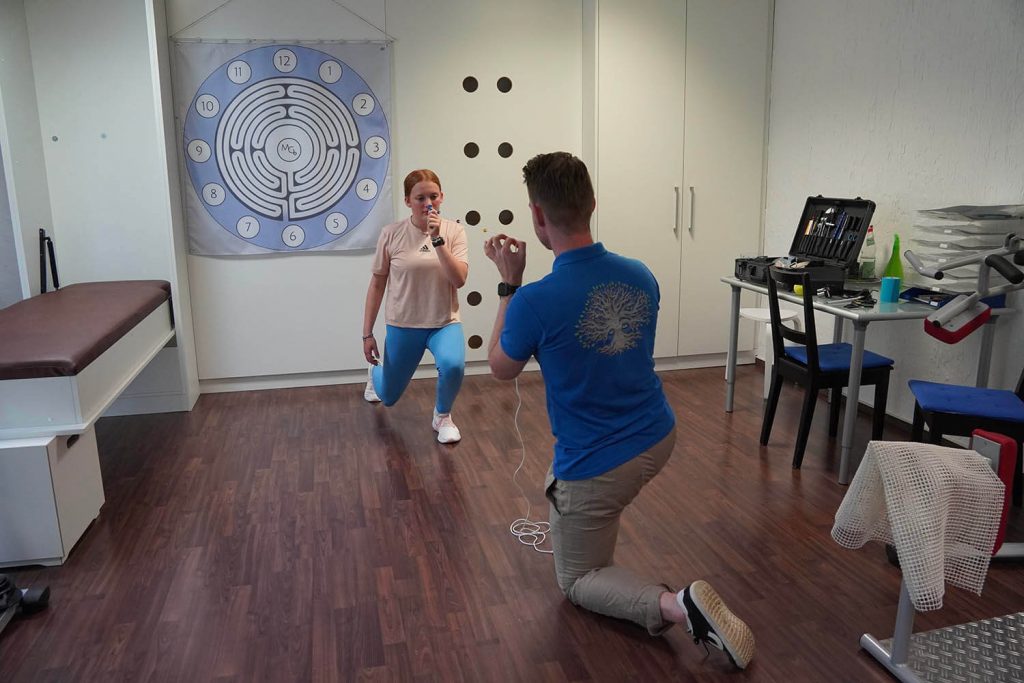
You’ll get hands-on tests, directly applicable exercises, and interventions that show immediate results in everyday practice and strengthen the competence of the entire team.
Feedback
Reviews & Testimonials
The in-house seminar on neurocentric training with Kevin was a true highlight for our entire team. It gave us many practical tools we could apply right away. Especially valuable was how quickly it could be applied to complex conditions […] with noticeable success for our patients. A clear recommendation for any physiotherapy practice.
Physiohaus Rinke
Mario and Sabine Rinke
The in-house training with Kevin was very hands-on and explained the theory extremely well. Kevin manages to make complex neurophysiological connections so tangible that you can apply them directly and successfully as a therapist with patients. An absolute recommendation for any practice looking to further develop its quality of treatment.
medbalance
Monika
Knowledge That Works
Workshops & Courses
Whether Balance, Pain, Performance, or Neuro-Hacks
My workshops deliver hands-on content for trainers, therapists, and teams. Short, compact, and immediately transferable to any target audience. Ideal for teams who want to quickly integrate modern neuro-tools into their work. No complicated theory — just scientific substance.
To give you an idea of how versatile neurocentric approaches can be, here are a few examples of formats already delivered:
- The eyes and their role in neck tension
- Balance & fall prevention from a neurocentric perspective
- Neuroathletics in tennis
- Neurocentric training in physiotherapy
- Sensory training for pain reduction
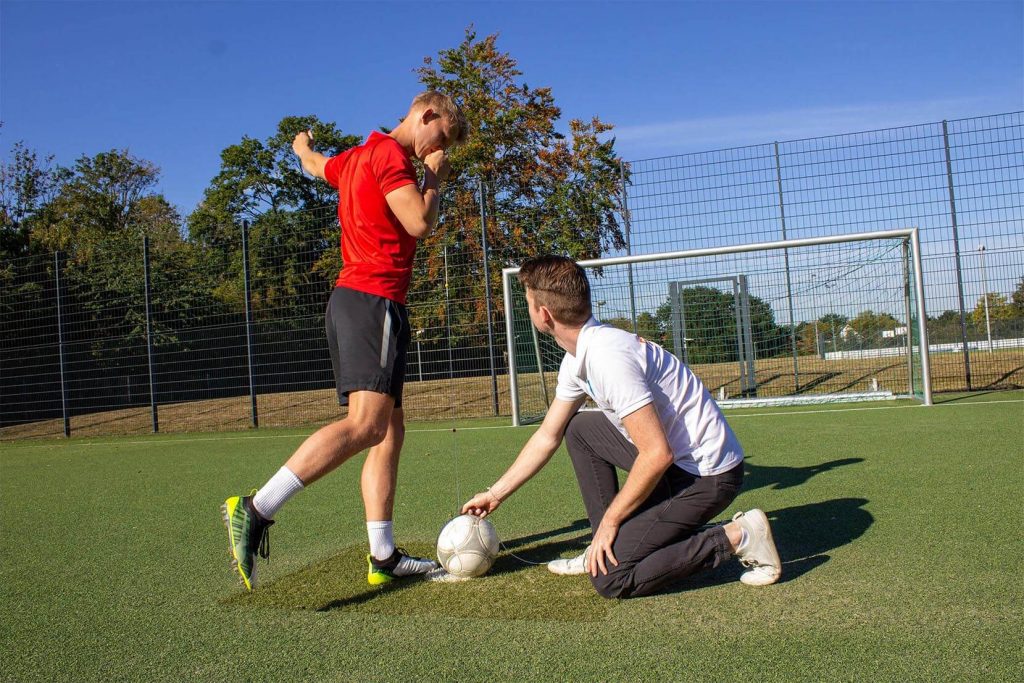
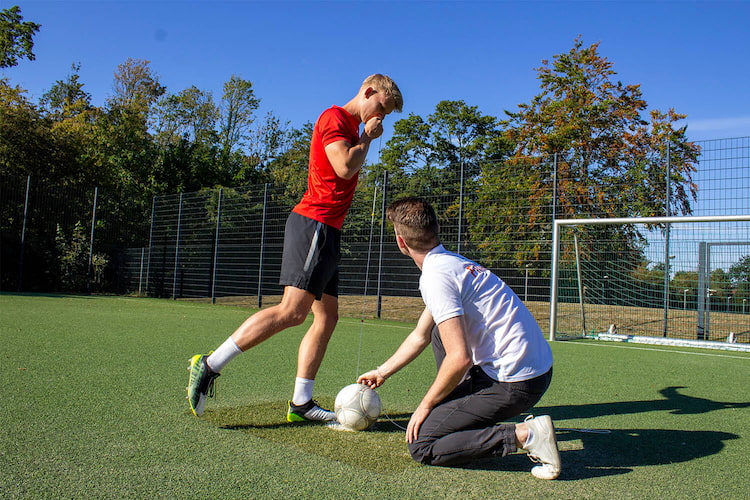
- Neuroathletics for footballers
- Brain hacks for cravings
- Neuro-based stress regulation
- and many more!
If the topic you’re looking for isn’t on the list yet, individual workshop content can be requested at any time. Many formats emerge exactly from practices, teams, or companies bringing in specific challenges or goals, which we then turn together into an effective training or education concept.
Neuroathletics Training and Continuing Education
Neuro-Dimension Program
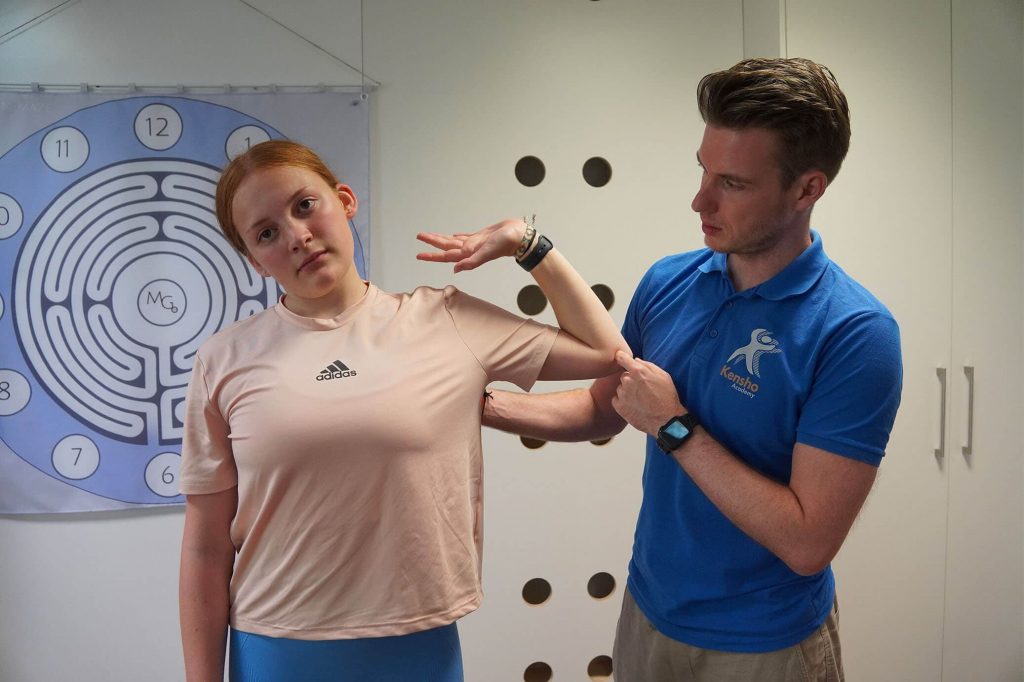
Since 2019, I have been training trainers, therapists, and coaches in the field of neuroathletics and neurocentric training. The Neuro-Dimension program is a structured curriculum that connects neuroscience with training and therapy interventions in a way that shows real-world impact.


About Me
A Perspective That Redefines Movement
Movement and sport have accompanied and shaped me since childhood. During my sports science studies at the German Sport University Cologne, I increasingly realized that many classical training and therapy methods overlook a crucial level: the nervous system.
Through intensive further training in functional neurology at various institutions in the USA, I learned how central the neurofunctional perspective is to pain behavior, mobility, strength development, and recovery. This knowledge now forms the foundation of my work in therapy, training, and education.
Based on this, I developed the Neuro-Dimension program — a structured curriculum that helps physiotherapists, trainers, and coaches integrate neurocentric content into their everyday work in a practical and effective way. I also give talks at professional congresses, work with companies and healthcare providers, and have published several specialist books.
Whether professional athlete, hobby athlete, or rehab patient: my goal is to specifically influence the nervous system in order to sustainably improve performance, well-being, and recovery.

Solid Expertise With Real-World Application
What Defines Me Today
Solid Expertise
Sports science background (German Sport University Cologne) combined with intensive continuing education in functional neurology in the USA.
✓
Instructor and Developer of Neuro-Dimension
A practice-oriented training system that has supported more than a thousand therapists, trainers, and coaches since 2019.
✓
Keynote Speaker at Major Industry Events
Regular talks at events such as FIBO, TheraPro, Therapie, and other industry congresses.
✓
Hands-On Application
I hold myself to the standard that every concept I teach is as understandable, well-structured, and directly transferable to therapy and training as possible.
✓
Author of Several Specialist Books
Publications on neurocentric training, pain regulation, and applied neurology in a sports-therapy context.
✓
Literature
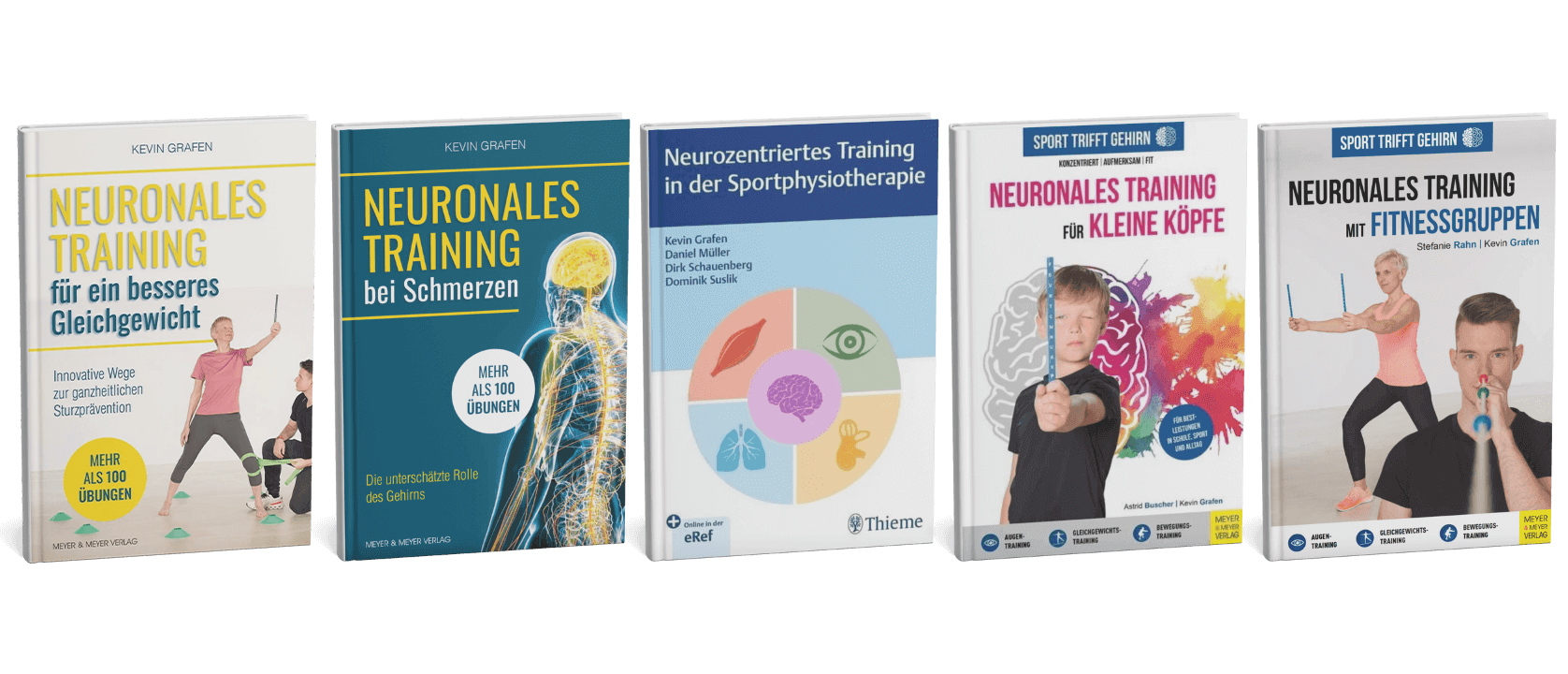
Already Know My Books?
Here you’ll find my books: easy to understand, scientifically grounded, and practical. They show how to optimally connect brain, body, and movement — and boost your well-being.
Neurology Explained Simply
Blog & Podcasts
Everything about training neuroscience, health, and sustainable development.
Other Offers
Additional Offers & Platforms
Discover more content, tools, and formats for your neurocentric training.
Webinar
In this webinar, I give you an insight into the fascinating world of applied neurology.
Podcast
Run faster through neuro-training: experience reports and exercises for home.
Neuro-Dimension Program
Modular, hands-on, effective: neuro-education for trainers, physios & coaches.
Literature
Explore your nervous system: literature on pain, movement, and holistic body awareness.
Questions & Answers
Frequently Asked Questions
Neuroathletics is a training approach that works directly with the nervous system to improve performance, mobility, coordination, and pain regulation.
The focus is mainly on three sensory systems: vision, balance, and proprioception.
Through targeted tests and exercises, the information from these sensory systems becomes clearer for the brain. When the nervous system works more reliably, it can give the body more freedom of movement, strength, and stability more efficiently.
Neurocentric training is a holistic approach that consistently incorporates the nervous system into training, therapy, and everyday life.
This shifts the perspective: complaints, performance limits, or movement problems aren't viewed purely in muscular or structural terms, but above all in functional-neural terms.
The focus is on areas such as pain regulation, rehabilitation, prevention, stress processing, balance, and movement quality, as well as athletic performance enhancement.
A key component is testing and training the sensory organs, especially the eyes, inner ear (vestibular system), and proprioception. Breathing, taste, and smell also play a major role. What matters most is understanding how this information is wired and processed in the brain, so it can be influenced in a targeted way.
When the brain receives clearer, higher-quality signals, it can control the body more efficiently, safely, and effectively.
In short: neurocentric means putting the nervous system at the center, because it is involved in every process — whether it's about pain, performance, or health.
At their core, both approaches are based on the same principle: the nervous system is central and determines how well we move, react, and process pain. The methods, tests, and drills are therefore very similar — the difference lies mainly in the application focus.
Neuroathletics is primarily aimed at improving athletic performance. The goal is to optimize strength, mobility, coordination, technique, and reaction ability through visual, vestibular, and proprioceptive stimuli.
Neurocentric training covers this area too, but broadens the scope of application further. It's also used in therapy, rehabilitation, pain treatment, prevention, stress regulation, and everyday function. This makes it suitable not just for athletes, but for anyone.
In short: Neuroathletics = performance-focused emphasis in sports Neurocentric training = comprehensive approach for pain, health, everyday life, and performance
The nervous system controls every process in the body. It decides how much strength is released, how far a joint is allowed to move, how safe a movement feels, and how intensely a pain signal is evaluated.
For a movement to be powerful and fluid, the brain needs clear and reliable information from the sensory organs: the eyes, the balance system, and proprioception. If this information is incomplete or contradictory, the nervous system responds with protective strategies such as muscle tension, strength inhibition, or restricted mobility. This can show up as a performance plateau, instability, or pain.
Conversely: the more precisely the brain perceives the situation, the more freedom of movement, strength, and safety it allows. Pain, too, is the result of neural evaluation. When the system registers danger or uncertainty, the likelihood of pain as a compensation pattern increases.
In short: performance, mobility, and pain are always "output decisions" of the nervous system. That's why a clearly functioning brain leads not only to better performance, but often also to less pain and more control.
Neurocentric training is suitable for anyone who wants to specifically improve and train their nervous system. It works regardless of age, fitness level, or existing complaints.
It's successfully used for:
- People with acute or chronic pain, to improve the nervous system's pain regulation
- Rehab patients who want to regain stability and movement quality faster after injuries, surgeries, or accidents
- Athletes who want to optimize strength, coordination, technique, or reaction ability
- People with balance problems, dizziness, or uncertainty in movement
- People under stress, with concentration problems or reduced resilience
- Older adults who want to improve fall risk, orientation, and everyday mobility
- Beginners looking for a clear, neurologically grounded training method
In short: neurocentric training is suitable for anyone who has a nervous system or brain and wants to make specific, better use of it.
Yes. Neurocentric training can help with pain because it directly affects the nervous system's pain regulation. Pain doesn't originate in the tissue — it's evaluated in the brain. When sensory information is unclear, contradictory, or perceived as threatening — for example, due to limited eye function, an overloaded balance system, or disrupted proprioception — the nervous system often responds with increased protective tension and heightened pain sensitivity.
Through targeted tests and exercises, these neural inputs become more precise, stable, and better coordinated. The brain receives clearer information, so compensation patterns such as pain don't need to be triggered. Pain works in a highly complex way and depends on many factors. However, it's important to understand that pain is an output generated by the brain, which in turn can be influenced by many factors.
Neurocentric training is therefore used for:
- muscular and joint-related pain
- load-related pain
- chronic complaints
- non-specific pain
- pain following injuries or surgeries
In short: when the nervous system works more effectively, pain sensitivity generally decreases.
Neurocentric training improves strength, mobility, and stability by optimizing the quality of information the brain needs for movement control. Strength output, range of motion, and stability are not purely muscular abilities — they are complex coordination processes and output decisions made by the brain.
When visual signals, balance information, or proprioceptive stimuli are unclear or contradictory, the nervous system often responds with protective mechanisms:
- reduced strength output
- limited mobility
- increased muscle tension
- unstable or unsafe movement patterns
Through targeted tests and exercises, these inputs become more precise, coordinated, and reliable. The brain can better assess movement and allows more freedom, strength, and stability.
Typical effects include:
- more strength, because the nervous system inhibits less
- greater mobility, because protective tension decreases
- better stability, because postural control works more clearly
In short: the more clearly the nervous system processes information, the more capable, mobile, and stable the body becomes.
Neuroathletics supports athletes by improving the central control mechanisms of the nervous system. Strength, speed, technique, and coordination don't originate in the muscles — they're controlled by the brain. When neural inputs work more clearly, athletic performance noticeably increases.
Typical effects for professional and recreational athletes include:
- better movement coordination through more precise visual and vestibular processing
- more strength and explosiveness, because the nervous system inhibits less
- optimized reaction and decision-making ability through faster neural processing
- cleaner technique, since the brain controls movement more stably
- greater mobility, because protective tension is reduced
- lower injury risk, since the system detects danger better and reacts more stably
- faster recovery, because the autonomic nervous system works in better balance
Neuroathletics is therefore used in high-performance sport, but also in ambitious recreational sport — wherever precise movement, speed, strength, and stability are decisive.
The eyes, balance, and proprioception form the three central information systems of the nervous system that determine how well the body can generate strength, stability, speed, and movement quality. They constantly supply the brain with data about where you are, how you're moving through space, and how safe a situation feels.
The eyes provide precise information about position, speed, and orientation in space. Clear visual signals improve postural control, coordination, and reaction ability.
The balance system in the inner ear measures acceleration, head position, and changes in position. It is crucial for stability, spatial orientation, and efficient posture.
Proprioception provides feedback from muscles, joints, and fascia. It shows the brain how the body is currently positioned and how much tension or freedom of movement is available.
When all three systems are trained and improved, the nervous system works more precisely, and movement becomes more powerful, safer, and more efficient.
Neurocentric training can often produce noticeable changes very quickly — sometimes within a single training session. This is because the nervous system responds immediately to clear, targeted stimuli and can directly unlock mobility, strength, or stability when uncertainty is reduced.
How long the effects last, however, depends on several factors:
- quality of the exercises and how well they match the person's nervous system
- consistency with which the short drills are carried out
- duration of existing complaints or movement restrictions
- overall load on the nervous system (stress, sleep, recovery, nutrition)
Quick improvements can often be achieved in the short term, while stable, long-term changes require consistent application over several weeks.
In short: initial effects can appear immediately; lasting results come from regular repetition.